
 Talented
The Evolution of Real Estate Lead Generation
In the early days of digital real estate marketing, property portals were the primary online channel for generating inquiries.
Platforms such as Zillow, Realtor.com, and other listing portals attract millions of property seekers each month. In fact, online portals account for a significant portion of real estate leads globally.
However, competition on these portals has increased dramatically. Multiple agents often compete for the same listing exposure, which means buyers may contact several agents simultaneously.
This often results in shared leads, reduced exclusivity, and intense competition for the same potential buyers.
As a result, many developers and brokers have started exploring alternative lead-generation channels that allow them to reach buyers earlier in the decision-making process.
Meta Ads: A Targeting Advantage
One of the biggest advantages of Meta Ads is its powerful targeting capabilities.
Unlike property portals that rely mainly on active property searches, Meta’s advertising platform allows marketers to target users based on location, behavior, interests, and demographic data.
Real estate marketers can show property ads to users who are likely to be interested in home buying, relocation, or investment opportunities.
This precise targeting ensures that property ads reach potential buyers even before they start searching on portals.
Meta also allows advertisers to target audiences such as expatriates, investors, high-income individuals, or people planning to move to a specific city.
Such audience segmentation helps improve lead quality and reduce wasted advertising spend.
Book Your Free Consultation
Fill out the form below and our team will get back to you within 24 hours.
Book A CallLower Cost Per Lead and Higher Engagement
Another key reason Meta Ads outperform many property portals is cost efficiency.
Data from real estate marketing reports shows that Facebook Ads can generate home buyer leads at around $19 per lead in competitive markets, which is often lower than other paid channels.
In addition, real estate campaigns on Facebook typically achieve higher engagement rates because of visual formats such as images, videos, and property walkthroughs.
Real estate ads on social platforms can achieve engagement rates of over 6%, significantly higher than many traditional advertising channels.
This visual storytelling makes it easier for developers to showcase property features, lifestyle benefits, and community amenities.
As a result, potential buyers interact with the ad long before they decide to visit a listing portal.
Capturing Buyers Earlier in the Funnel
Property portals primarily capture high-intent buyers who are already searching for properties.
While this audience is valuable, it represents only a small segment of potential buyers.
Meta Ads allow real estate companies to reach buyers earlier in the purchasing journey.
For example, someone browsing social media might not be actively searching for a home yet but may still be interested in investment opportunities or relocation options.
When exposed to well-designed property ads, these users may become leads even before they visit property portals.
This early exposure helps developers build brand awareness and influence buyer decisions earlier in the funnel.
Lead Automation and Instant Forms
Meta Ads also simplify the lead capture process through built-in lead forms.
Instead of redirecting users to an external website, users can submit their contact details directly within the platform.
This reduces friction and increases conversion rates.
Some real estate campaigns have demonstrated strong results using Meta’s lead-generation tools.
Case studies show that targeted campaigns can produce large volumes of inquiries with optimized cost-per-lead and strong conversion pipelines.
These leads can be automatically synced with CRM systems, allowing sales teams to follow up instantly.
Fast response times are crucial in real estate sales because most leads respond within the first 24 hours after inquiry.
Better Retargeting and Audience Insights
Another major advantage of Meta Ads is advanced retargeting.
Real estate marketers can show ads to users who have already visited a website, watched property videos, or interacted with previous campaigns.
This allows businesses to nurture potential buyers through multiple touchpoints before they make a purchase decision.
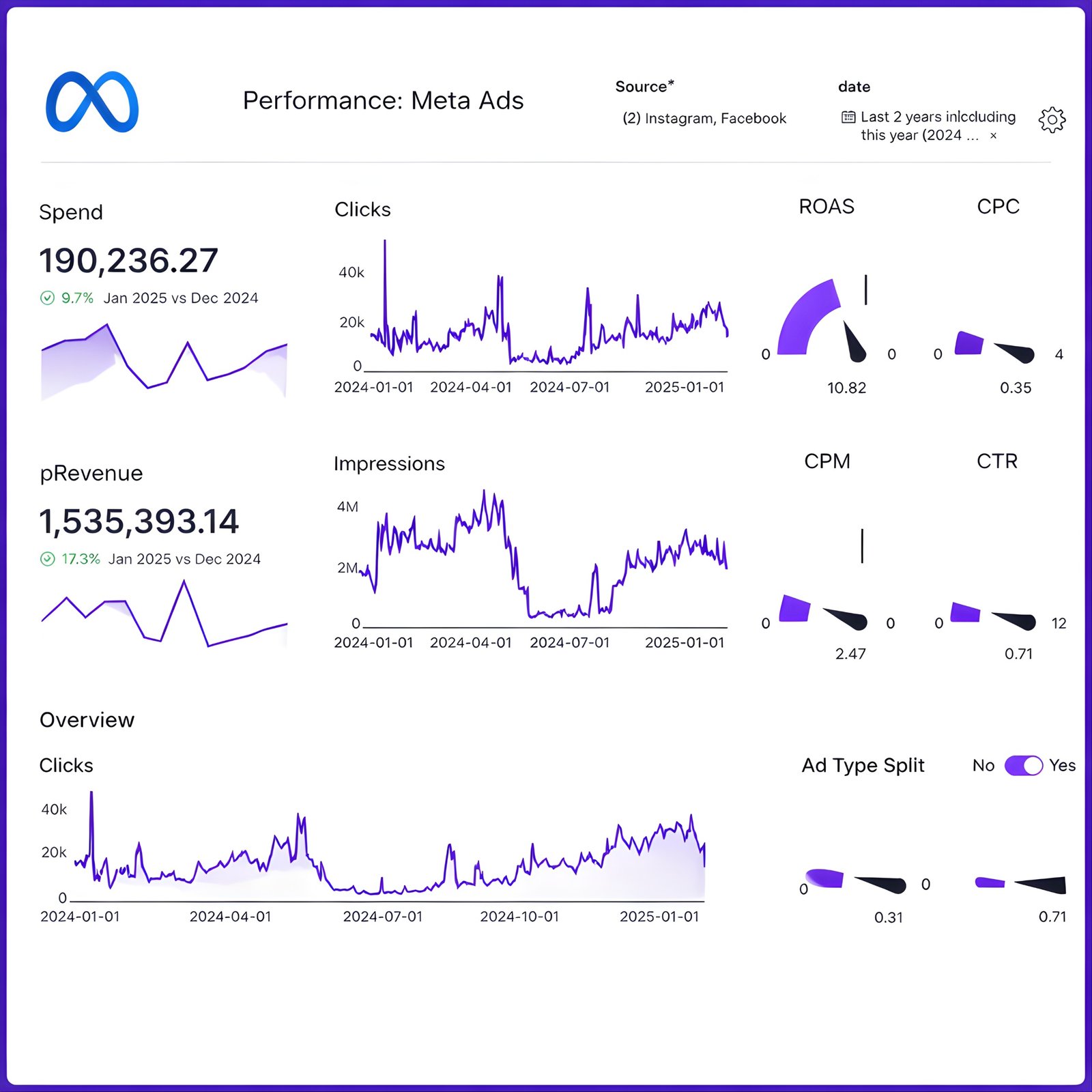
Meta also provides detailed analytics, including audience insights, engagement metrics, and conversion tracking.
These insights help real estate marketers refine campaigns and improve lead quality over time.
Property portals usually provide limited marketing analytics compared to social advertising platforms.
The Future of Real Estate Marketing
The real estate industry is moving toward data-driven marketing strategies.
Developers and agencies increasingly combine multiple channels such as SEO, Google Ads, and Meta Ads to generate leads.
However, social advertising platforms are becoming a central pillar of modern real estate marketing strategies.
Meta Ads provide precise targeting, scalable lead generation, visual storytelling, and measurable performance.
For real estate companies aiming to generate consistent, high-quality inquiries, Meta Ads offer a powerful alternative—or complement—to traditional property portals.
As competition in the real estate market continues to grow, businesses that leverage advanced digital marketing strategies will gain a significant advantage.
FAQs
Are Meta Ads better than property portals for real estate leads?
Meta Ads can generate highly targeted leads and reach buyers earlier in the decision journey, while property portals mainly capture buyers who are already searching.
What is the average cost per lead for real estate Meta Ads?
Real estate Facebook Ads can generate leads at approximately $19 per lead in competitive markets, depending on targeting and campaign strategy.
Why do real estate companies use Meta Ads?
They use Meta Ads because of advanced targeting options, visual ad formats, retargeting capabilities, and cost-efficient lead generation.
Do property portals still work for real estate marketing?
Yes, portals still generate leads, especially from high-intent buyers. However, competition on these platforms can reduce lead exclusivity.
How can real estate companies maximize Meta Ads performance?
Success usually comes from strong ad creatives, precise audience targeting, quick follow-ups, and integrating ads with CRM systems.