
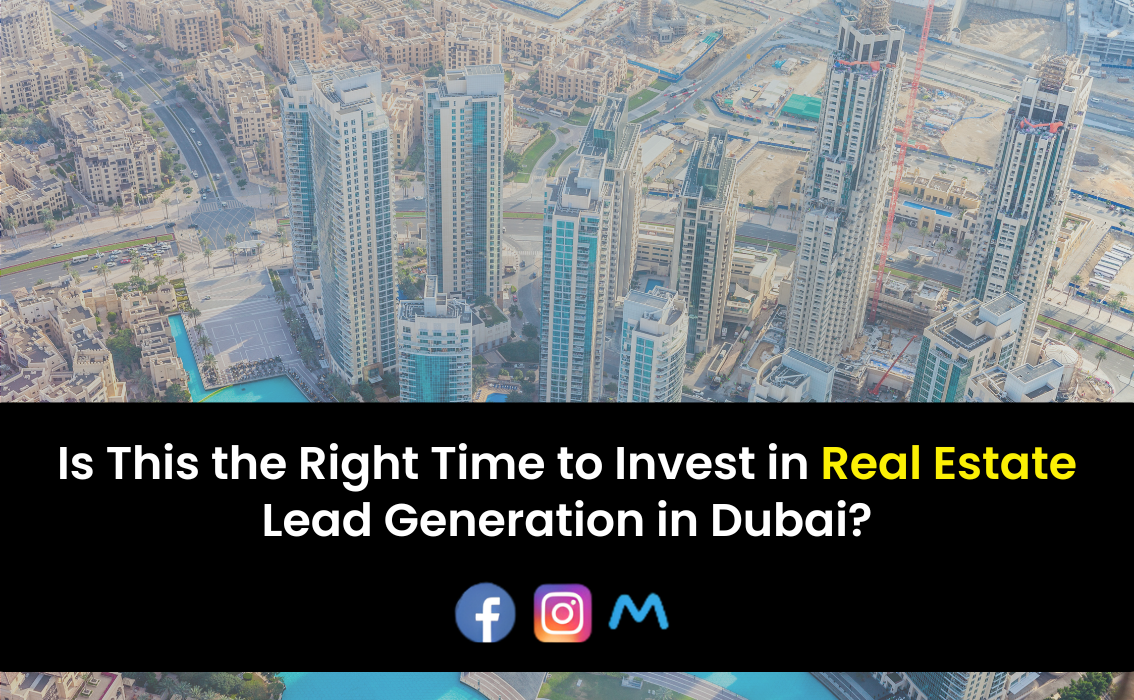
Dubai’s real estate market continues to attract global attention in 2026. With strong investor demand, rising population, and record-breaking transactions, the market remains one of the most dynamic globally.
But the key question for agencies and investors is not just about buying property. It’s about whether now is the right time to invest in real estate lead generation in Dubai.
Understanding Dubai’s Current Real Estate Momentum
Dubai entered 2026 with exceptional market strength. Property sales reached billions in value within the first few months, showing strong investor confidence and continued demand.
The market is no longer just booming — it is maturing. Experts describe it as a “fundamentals-driven growth phase” rather than speculative expansion.
This shift means competition among agents and developers is increasing. As supply grows and buyers become more selective, lead generation becomes critical for survival.
Why Lead Generation Is More Important Than Ever
In a high-demand market, deals can come naturally. But in a mature and competitive market, success depends on who captures and converts leads faster.
Dubai’s real estate ecosystem is expanding rapidly. New brokers, agencies, and developers are entering the market, increasing competition for the same pool of buyers.
At the same time, buyers are becoming smarter. They research properties online, compare options, and contact multiple agents before making a decision.
This makes consistent lead generation not just important, but essential for growth.
Digital Platforms Are Driving Property Leads
Real estate lead generation in Dubai is now heavily driven by digital platforms. Property portals remain one of the biggest sources of high-intent leads.
Platforms like Property Finder and Bayut receive thousands of daily inquiries, where speed of response often determines who wins the client.
This means agents can no longer rely on traditional methods. Digital visibility and quick follow-ups are now key success factors.
Population Growth Is Fueling Demand
Dubai’s population growth continues to support real estate demand. The city is attracting global talent, entrepreneurs, and investors at a rapid pace.
This increase in population directly translates into more housing demand, both for rentals and property purchases.
For lead generation, this is a major advantage. A growing population means a constantly expanding pool of potential buyers and tenants.
Market Shift: From Fast Growth to Smart Investment
The Dubai property market is evolving into a more stable and data-driven environment. Investors are now focusing on long-term value rather than quick gains.
This shift is important for lead generation strategies. It means:
- Buyers need more information before making decisions
- Trust and expertise matter more than aggressive selling
- Content-driven marketing is becoming more effective
Real estate professionals who adapt to this shift will generate higher-quality leads.
The Role of Meta Ads in Real Estate Lead Generation
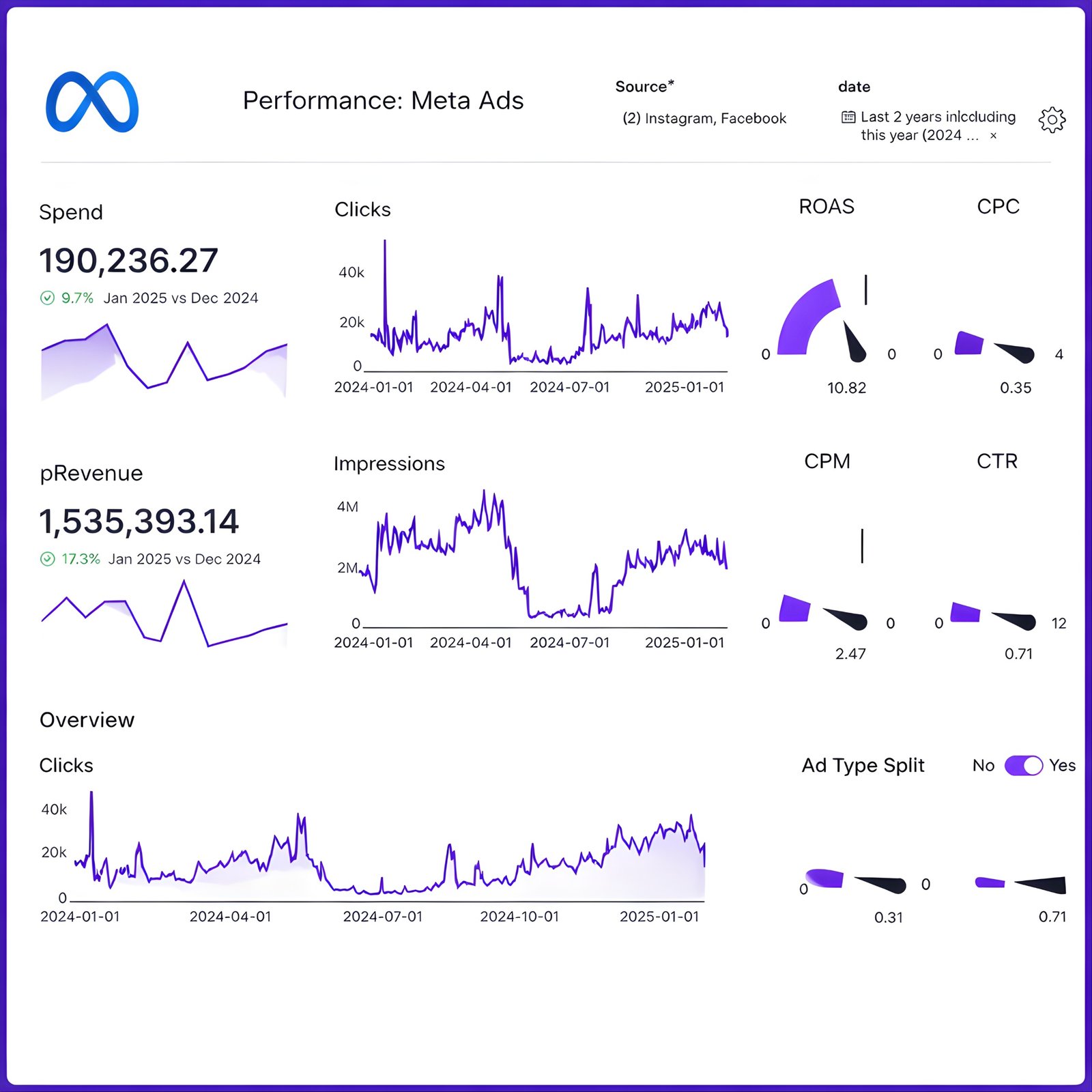
Meta Ads (Facebook and Instagram) have become one of the most powerful tools for generating real estate leads in Dubai.
These platforms allow highly targeted campaigns based on user behavior, location, income level, and interests.
Real estate agencies can target:
- International investors looking for Dubai properties
- Expats planning relocation
- High-net-worth individuals interested in luxury real estate
Meta Ads also allow retargeting. This helps agencies reconnect with users who showed interest but didn’t convert initially.
In a competitive market, this gives agencies a strong advantage by maintaining continuous engagement with potential buyers.
Book Your Free Consultation
Fill out the form below and our team will get back to you within 24 hours.
Book A CallChallenges You Should Consider Before Investing
While the opportunity is strong, lead generation is not without challenges.
Competition is increasing rapidly. Thousands of agents are now actively targeting the same audience.
At the same time, buyer behavior is changing. Clients are more cautious and focused on long-term value.
There are also early signs of market fluctuations due to global and regional factors. Some reports suggest short-term slowdowns in transactions during geopolitical tensions.
This means lead generation strategies must be data-driven, not guesswork.
So, Is This the Right Time?
Yes — but with a strategic approach.
Dubai’s real estate market is still growing, supported by strong fundamentals such as population growth, investor confidence, and government planning.
However, the market is no longer easy. Success now depends on how effectively you generate and convert leads.
Agencies that invest in digital marketing, Meta Ads, and data-driven strategies are more likely to succeed.
Those relying only on traditional methods may struggle to keep up.
Final Thoughts
Investing in real estate lead generation in Dubai in 2026 is not just an opportunity — it is becoming a necessity.
The market is evolving, competition is rising, and buyers are becoming more informed.
This creates a clear advantage for those who adapt early.
If you focus on digital strategies, targeted ads, and trust-based marketing, you can build a consistent pipeline of high-quality leads even in a competitive environment.
FAQs
Is 2026 a good time to invest in real estate lead generation in Dubai?
Yes, due to strong market demand and growing competition, investing in lead generation is essential for staying competitive.
What is the best platform for real estate leads in Dubai?
Property portals and Meta Ads (Facebook & Instagram) are among the most effective platforms for generating high-quality leads.
Why is lead generation important in Dubai real estate?
Because the market is becoming more competitive, and agents need a consistent flow of qualified buyers to close deals.
Are Meta Ads effective for real estate in Dubai?
Yes, Meta Ads allow precise targeting and retargeting, making them highly effective for attracting and converting potential buyers.
What challenges exist in real estate lead generation?
High competition, changing buyer behavior, and market fluctuations are key challenges that require strategic planning.