
 Talented
Why Trust Matters in Real Estate Marketing
Real estate transactions involve significant financial and emotional decisions. Buyers and sellers want to work with someone they trust. Before contacting an agent, most people evaluate online reviews, social media presence, and overall professionalism.
Trust directly impacts:
- Lead conversion rates
- Client engagement
- Referral opportunities
- Long-term brand reputation
- Closing success
Meta platforms provide an excellent opportunity to create familiarity and authority through consistent visibility and valuable content.
When potential clients repeatedly see helpful, professional, and informative ads, they become more comfortable engaging with your business.
Understanding Meta Ads for Real Estate
Meta Ads include advertising across:
- Messenger
- Audience Network
These platforms allow real estate agents to target audiences based on:
- Location
- Income level
- Interests
- Homeownership status
- Life events
- Online behavior
This targeting capability helps agents connect with people who are genuinely interested in buying, selling, or investing in property.
Unlike traditional marketing, Meta Ads offer measurable performance data that helps agents improve campaigns over time.

Book Your Free Consultation
Fill out the form below and our team will get back to you within 24 hours.
Book A CallBuild a Professional Brand Before Running Ads
One of the biggest mistakes agents make is launching ads without first establishing a credible online presence.
Before investing in advertising, optimize your:
- Facebook Business Page
- Instagram profile
- Website
- Google Business Profile
Your branding should include:
- Professional headshots
- Consistent colors and logos
- Updated contact information
- Client testimonials
- Property success stories
- Educational content
When users click your ad, they often review your profile before contacting you. A weak or incomplete profile can reduce trust immediately.
Consistency across all platforms creates a professional image that supports your advertising efforts.
Use Video Content to Build Authentic Connections
Video marketing performs exceptionally well on Meta platforms. Real estate is highly visual, and buyers prefer interactive property experiences.
Video content helps humanize your brand and increases engagement.
Effective real estate video ideas include:
- Property walkthroughs
- Market updates
- Neighborhood tours
- Client testimonials
- Home-buying tips
- Behind-the-scenes content
Short-form videos on Instagram Reels and Facebook Stories often generate higher reach and engagement than static images.
Authentic videos create familiarity and help potential clients feel connected to you before the first conversation.
Target the Right Audience for Better Lead Quality
Many real estate agents waste money by targeting broad audiences.
Successful Meta Ads focus on audience precision.
You can target:
- First-time homebuyers
- Luxury property buyers
- Investors
- Families relocating
- Home sellers
- Specific neighborhoods
Local targeting is especially important in real estate marketing. Running hyper-local campaigns helps establish authority within your service area.
For example, instead of targeting an entire city, focus on:
- Specific ZIP codes
- Nearby communities
- High-demand neighborhoods
The more relevant your ads are to local users, the higher your chances of generating quality leads.
Create Ads That Focus on Value, Not Just Listings
Most real estate ads fails because they only promote listings.
Modern buyers want education, guidance, and confidence.
Instead of only saying:
“3-bedroom house available now”
Provide value-driven messaging like:
- “Learn how to buy your first home with low down payment options”
- “See the top investment neighborhoods this year”
- “Discover how much your home is worth in today’s market”
Educational advertising positions you as an expert rather than just a salesperson.
This approach builds trust faster and encourages long-term engagement.
Leverage Social Proof in Your Meta Ads
Social proof is one of the strongest trust-building elements in real estate marketing.
People trust recommendations and real experiences from previous clients.
Ways to include social proof:
- Client testimonials
- Video reviews
- Before-and-after success stories
- Recent sales achievements
- Community involvement
- Positive ratings
Example:
“Helped 35 families buy homes in the last 12 months.”
Real experiences increase credibility and reduce hesitation among potential clients.
Adding authentic testimonials directly into ad creatives can significantly improve click-through and conversion rates.
Book Your Free Consultation
Fill out the form below and our team will get back to you within 24 hours.
Book A CallUse Lead Forms to Simplify Conversions
Meta Lead Ads allow users to submit inquiries without leaving Facebook or Instagram.
This reduces friction and increases conversion opportunities.
Lead forms work well for:
- Property inquiries
- Home valuation requests
- Buyer consultations
- Investment guides
- Open house registrations
Keep forms simple by requesting:
- Name
- Phone number
Long forms often reduce completion rates.
After capturing leads, follow up quickly. Fast responses increase trust and improve closing potential.
Retarget Interested Users to Stay Top of Mind
Not every prospect converts immediately.
Many users view listings or engage with ads multiple times before taking action.
Retargeting helps you reconnect with:
- Website visitors
- Video viewers
- Lead form users
- Social media engagers
Retargeting campaigns can showcase:
- New listings
- Client success stories
- Educational content
- Market insights
Consistent visibility builds familiarity, which plays a major role in real estate decision-making.
People are more likely to work with agents they repeatedly see online.
Optimize Landing Pages for Trust and Conversions
Your Meta Ads are only as effective as the landing page connected to them.
A poor landing page can waste advertising budget.
Your landing page should include:
- Clear headline
- Professional design
- Mobile responsiveness
- Trust badges
- Testimonials
- Property photos
- Contact information
- Strong call-to-action
Avoid cluttered designs and excessive pop-ups.
Simple, clean pages with clear messaging typically perform better.
Fast-loading pages also improve user experience and conversion rates.
Use Consistent Follow-Up Systems
Generating leads is only part of the process.
Closing deals requires consistent communication.
Many real estate professionals lose leads because they fail to follow up properly.
Create a follow-up strategy using:
- Email automation
- SMS reminders
- Personalized calls
- Retargeting ads
- Market updates
Providing helpful information during follow-up builds trust over time.
Avoid aggressive sales tactics. Instead, focus on helping prospects make informed decisions.
Relationship-driven communication leads to stronger conversion rates.
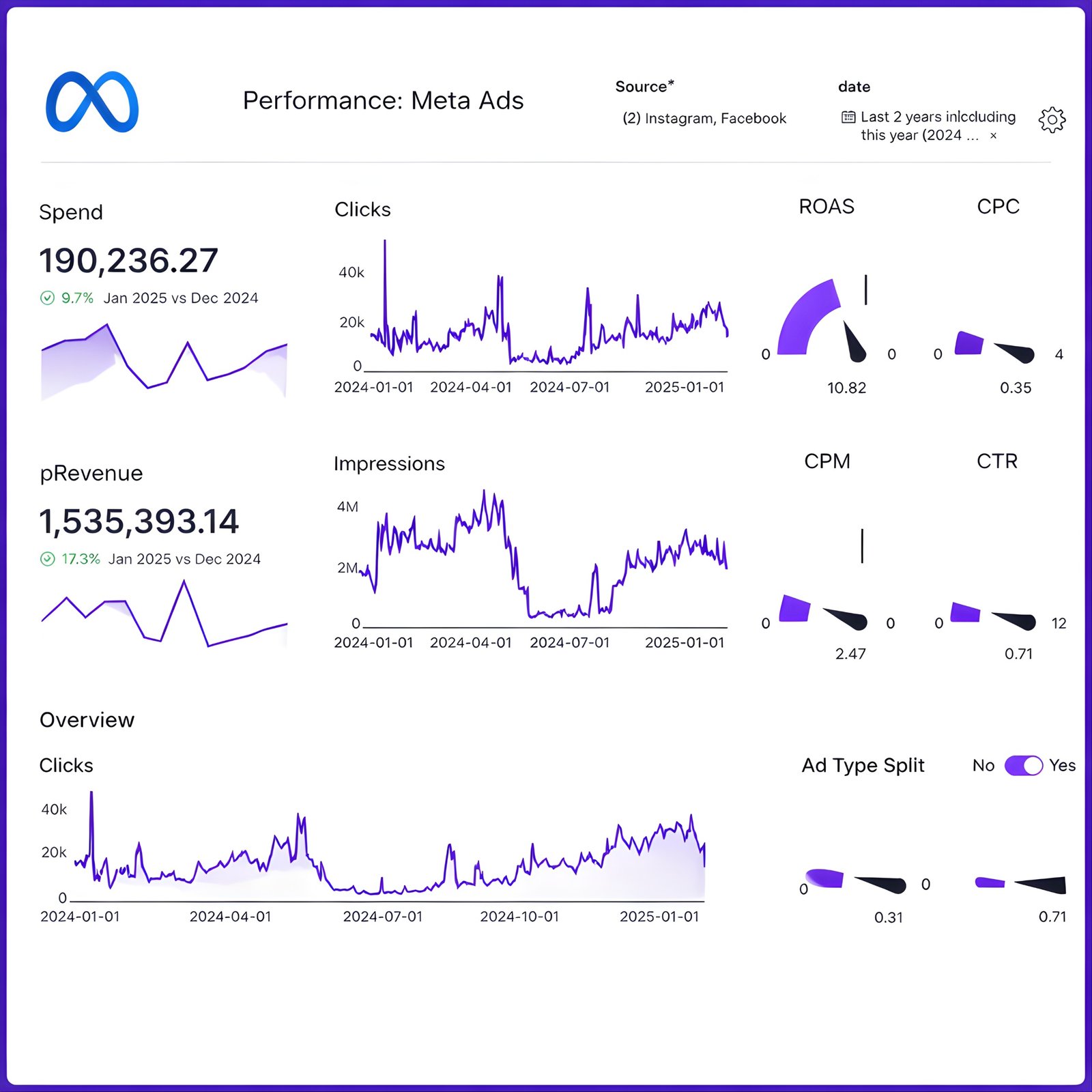
Track Performance and Improve Campaigns
Data is essential for successful Meta Ads campaigns.
Monitor key performance metrics such as:
- Click-through rate (CTR)
- Cost per lead (CPL)
- Conversion rate
- Engagement rate
- Ad frequency
- Return on ad spend (ROAS)
Testing different creatives, headlines, and audiences helps identify what works best.
A/B testing allows agents to optimize campaigns and reduce wasted spending.
Continuous improvement leads to better lead quality and increased closings over time.
Common Mistakes to Avoid in Real Estate Meta Ads
Many agents struggle with Meta Ads because of avoidable mistakes.
Common issues include:
- Using low-quality visuals
- Targeting broad audiences
- Ignoring retargeting
- Weak follow-up systems
- Overly sales-focused messaging
- Inconsistent branding
Another major mistake is focusing only on short-term lead generation instead of long-term trust building.
Real estate marketing works best when agents consistently provide value and stay visible in their local market.
The Future of Meta Ads for Real Estate
Digital advertising continues to evolve rapidly.
AI-powered targeting, short-form video content, and personalized marketing are shaping the future of real estate advertising.
Agents who adapt to these trends early can gain a competitive advantage.
Future-focused strategies include:
- AI-driven ad optimization
- Interactive virtual tours
- Personalized video messaging
- Community-based content
- Automated lead nurturing
Consumers increasingly expect personalized and authentic experiences online.
Real estate professionals who focus on trust, transparency, and education will continue to outperform competitors.
Final ThoughtsBuilding trust is the foundation of successful real estate marketing. Meta Ads provide powerful tools to connect with potential buyers and sellers, but long-term success depends on more than advertising alone.
Professional branding, valuable content, authentic communication, and strategic follow-up all contribute to stronger relationships and higher closing rates.
By combining targeted Meta Ads with trust-building strategies, real estate professionals can attract quality leads, improve client confidence, and generate more successful closings consistently.
As competition in the property market grows, agents who prioritize credibility and customer experience will stand out and achieve sustainable growth.
FAQs
Are Meta Ads effective for real estate agents?
Yes, Meta Ads are highly effective for real estate agents because they allow precise audience targeting, visual property promotion, and lead generation through Facebook and Instagram platforms.
How much should real estate agents spend on Meta Ads?
The budget depends on market size and competition, but many agents start with $300–$1000 per month for local lead generation campaigns and scale based on performance.
What type of Meta Ads work best for real estate?
Video ads, carousel ads, testimonial ads, and lead generation ads tend to perform best because they provide visual engagement and simplify conversions.
How can Meta Ads help generate more closings?
Meta Ads increase visibility, attract targeted leads, build trust through consistent engagement, and support retargeting strategies that keep agents connected with prospects throughout the buying journey.
What mistakes should real estate agents avoid in Meta Ads?
Agents should avoid poor targeting, low-quality visuals, weak follow-up systems, inconsistent branding, and overly aggressive sales messaging.