 Talented
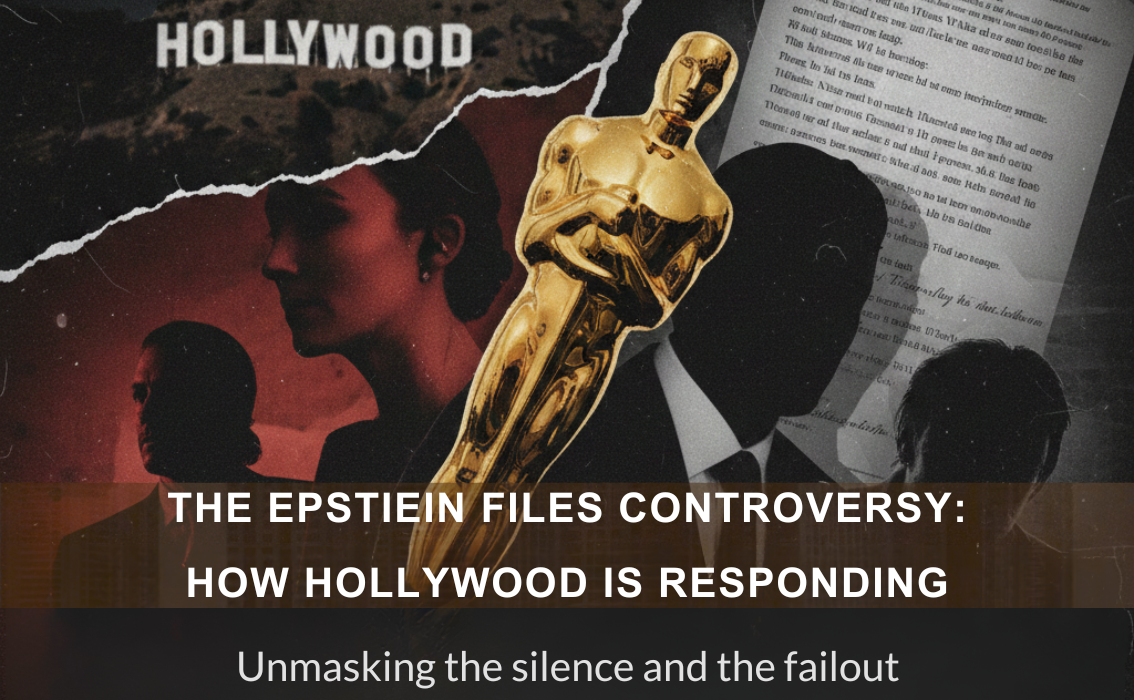
Understanding the Epstein Files Controversy
The so-called “Epstein Files” refer to legal documents, testimonies, and investigative materials related to allegations against Epstein, who was accused of orchestrating a network of sexual exploitation. While many details remain subject to legal and journalistic scrutiny, the public discourse has centered on accountability and the need to protect vulnerable individuals.
For industries like Hollywood, where influence and access often intersect, the controversy raises broader ethical questions:
- How should institutions respond to past associations?
- What safeguards are in place to prevent abuse of power?
- How can transparency rebuild public trust?
These questions extend beyond entertainment and reflect societal demands for ethical responsibility.
Hollywood’s Initial Reactions
Hollywood’s response has been varied, reflecting the complexity of the issue:
1. Public Statements and DistancingSeveral industry figures and organizations have issued statements condemning exploitation and emphasizing zero tolerance for misconduct. While such declarations are important, critics argue that words must be accompanied by meaningful action.
2. Reassessment of RelationshipsCompanies and individuals have revisited past partnerships and associations to ensure alignment with ethical standards. This includes scrutinizing financial or professional ties that may have indirect connections to controversial figures.
3. Media and Creative ReflectionsThe entertainment industry has also responded creatively, with documentaries and investigative journalism shedding light on systemic issues. These projects aim to inform the public and encourage dialogue about prevention and accountability.
The Role of Accountability in Entertainment
Accountability is essential for maintaining public trust. Hollywood, as a global cultural influencer, bears responsibility for upholding ethical standards. This includes:
- Implementing strong safeguarding policies.
- Ensuring transparency in business practices.
- Supporting survivors and promoting awareness.
By prioritizing accountability, the industry can demonstrate its commitment to positive change.
Lessons for the Industry
The controversy offers valuable lessons for entertainment organizations:
Snippable Insight:- Ethical leadership builds long-term credibility.
- Transparency reduces speculation and misinformation.
- Proactive safeguards protect both individuals and institutions.
These principles are not limited to Hollywood; they apply to any organization seeking to earn public trust.
Moving Forward: A Balanced Perspective
It is important to approach the controversy with nuance. While accountability is necessary, public discourse should also respect legal processes and avoid assumptions. Responsible journalism and informed discussion contribute to a healthier societal conversation.
Hollywood’s evolution will depend on its ability to learn from challenges and prioritize ethical integrity. By doing so, it can continue to inspire creativity and cultural dialogue while upholding its responsibilities.
FAQs
What are the Epstein Files?
The term refers to documents and materials related to investigations and legal proceedings involving allegations against Jeffrey Epstein. These materials have sparked public interest and discussions about systemic accountability.
How has Hollywood responded?
Hollywood has issued statements, reassessed certain associations, and supported creative projects that explore related themes. The response reflects an ongoing effort to address ethical concerns.
Why is accountability important in entertainment?
Entertainment shapes public culture and values. Accountability ensures that influence is used responsibly and that institutions maintain public trust.
Does the controversy affect current industry practices?
The discussions have encouraged stronger policies and safeguards within organizations to prevent misconduct and promote ethical behavior.
How can audiences engage with the issue responsibly?
Audiences can stay informed through credible sources, support ethical media projects, and participate in constructive dialogue.