

Why Meta Ads Dominate Real Estate Lead Generation
Meta platforms like Facebook and Instagram continue to lead in real estate marketing. Their massive user base and advanced targeting capabilities make them ideal for reaching potential buyers.
In fact, real estate remains the #1 industry using Meta Lead Ads, accounting for nearly one-third of all campaigns globally.
The reason is simple. Property buyers actively engage with listings, making them high-intent leads when targeted correctly.
The Shift Toward Data-Driven Advertising
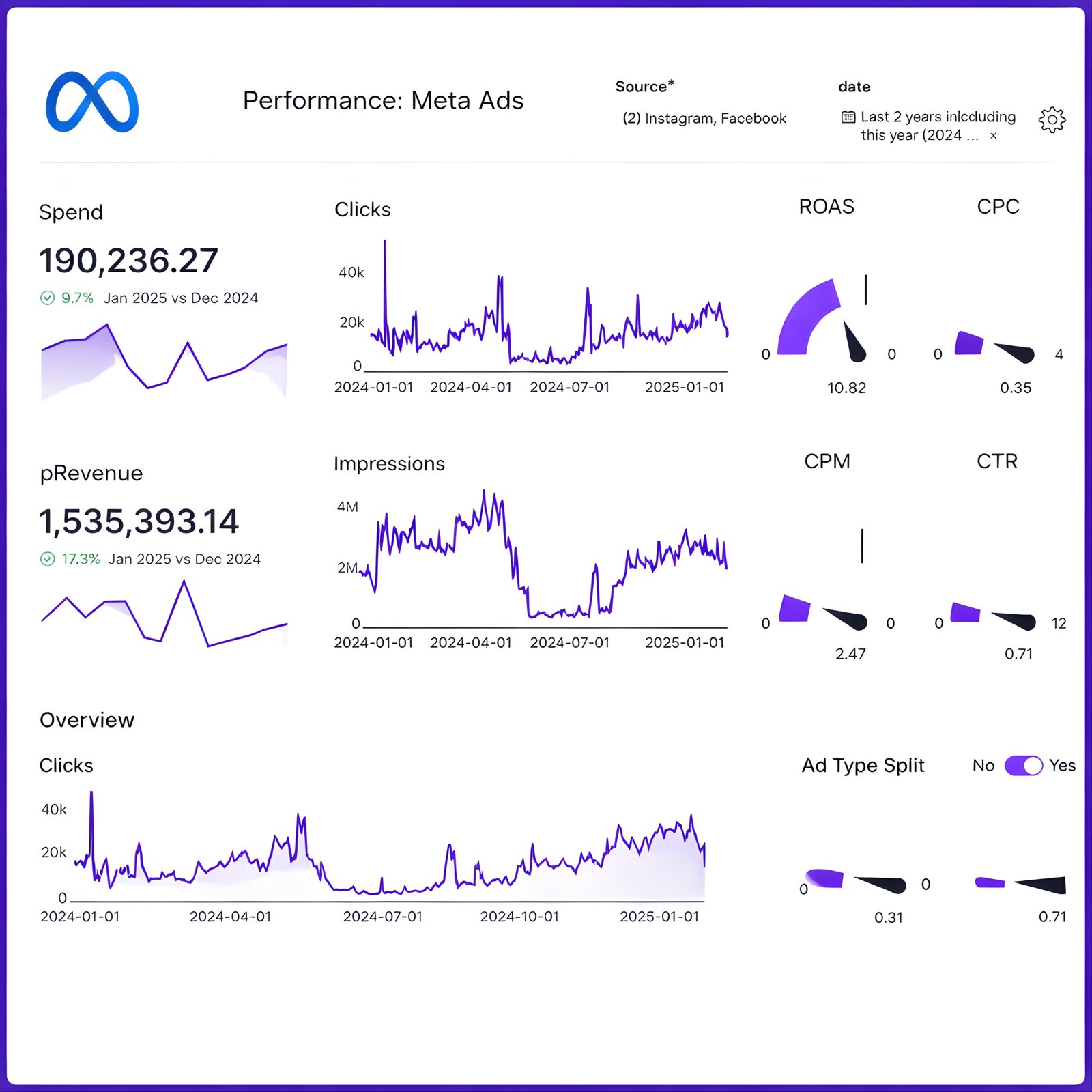
Running ads based on guesswork no longer works in 2026. Successful campaigns are now built on data, tracking, and performance insights.
Meta’s ecosystem has evolved significantly. AI-driven optimization, privacy changes, and reduced reliance on third-party cookies have shifted the focus toward first-party data and conversion tracking.
This means advertisers must rely on CRM data, user behavior, and event tracking to guide decisions rather than broad targeting alone.
Building a High-Converting Real Estate Funnel
A structured funnel is the foundation of any successful Meta Ads campaign. Without it, even high budgets fail to deliver quality leads.
Top-performing campaigns follow a three-stage funnel. The first stage focuses on awareness using engaging creatives like property videos and virtual tours.
The second stage targets users who interacted with ads. Retargeting plays a critical role here by showing relevant listings or offers.
The final stage focuses on conversion. This includes lead forms, landing pages, or direct consultation bookings.
In 2026, advertisers who map their funnel clearly see better cost control and higher lead quality.
Quality Over Quantity: The New Lead Generation Rule
One of the biggest changes in 2026 is the shift from volume to quality. Cheap leads no longer guarantee business success.
Many campaigns generate large numbers of leads that never convert. This happens when targeting and messaging are too broad.
Modern strategies focus on qualified leads instead of just low cost per lead (CPL). Adding filters, detailed creatives, and better offers helps attract serious buyers.
Campaigns that prioritize quality often achieve better long-term ROI, even if initial costs are higher.
AI and Automation Are Reshaping Meta Ads
Artificial intelligence is now at the core of Meta’s advertising system. From audience targeting to creative optimization, AI is handling more tasks than ever.
By 2026, Meta is expected to automate most parts of ad creation, including targeting, visuals, and messaging.
This shift allows real estate marketers to focus more on strategy rather than manual campaign setup.
However, success still depends on feeding the algorithm accurate data. Poor data leads to poor results.
Creative Strategy: The Real Conversion Driver
In today’s market, creative content plays a bigger role than targeting alone. Your ad must attract, qualify, and convince at the same time.
High-performing real estate ads often include:
Clear pricing or budget ranges
Specific audience targeting in messaging
Strong visuals like video walkthroughs
The more specific your ad is, the better your lead quality becomes. Generic ads may generate clicks, but they rarely convert.
Leveraging First-Party Data and CRM Integration
With increasing privacy restrictions, first-party data has become essential. This includes data collected from website visitors, previous clients, and inquiries.
Integrating Meta with your CRM allows better tracking of user behavior. It also helps optimize campaigns for actual conversions rather than just clicks.
This approach improves targeting accuracy and ensures your ads reach users who are more likely to take action.
Cost Control and Performance Optimization
Rising competition has increased advertising costs in 2026. Many advertisers are experiencing higher CPL due to increased demand and platform changes.
To manage this, real estate businesses must focus on:
Continuous testing of creatives
Refining audience segments
Optimizing landing pages and forms
Campaign performance is no longer static. Regular optimization is necessary to stay competitive.
Future Outlook for Real Estate Meta Ads
The future of Meta Ads is heavily driven by automation, personalization, and data intelligence.
Advertisers who adapt to AI-driven systems and focus on data-backed decisions will outperform competitors.
Real estate businesses that invest in structured funnels, strong creatives, and CRM integration will continue to generate consistent leads.
In a market where attention is limited, data-driven strategy is no longer optional. It is the foundation of sustainable growth.
FAQs
What are data-driven Meta Ads?
Data-driven Meta Ads use analytics, user behavior, and tracking data to optimize campaigns instead of relying on assumptions or broad targeting.
Why are Meta Ads effective for real estate?
Meta Ads allow precise targeting based on demographics, interests, and behavior, making it easier to reach high-intent property buyers.
How can I improve lead quality in Meta Ads?
Focus on specific targeting, detailed ad creatives, and qualified lead forms instead of just generating high volumes of leads.
Are Meta Ads expensive in 2026?
Costs have increased due to competition, but proper optimization and targeting can still deliver strong ROI.
What role does AI play in Meta Ads?
AI helps automate targeting, optimize creatives, and improve campaign performance based on real-time data.