What Are PR Packages From Brands?
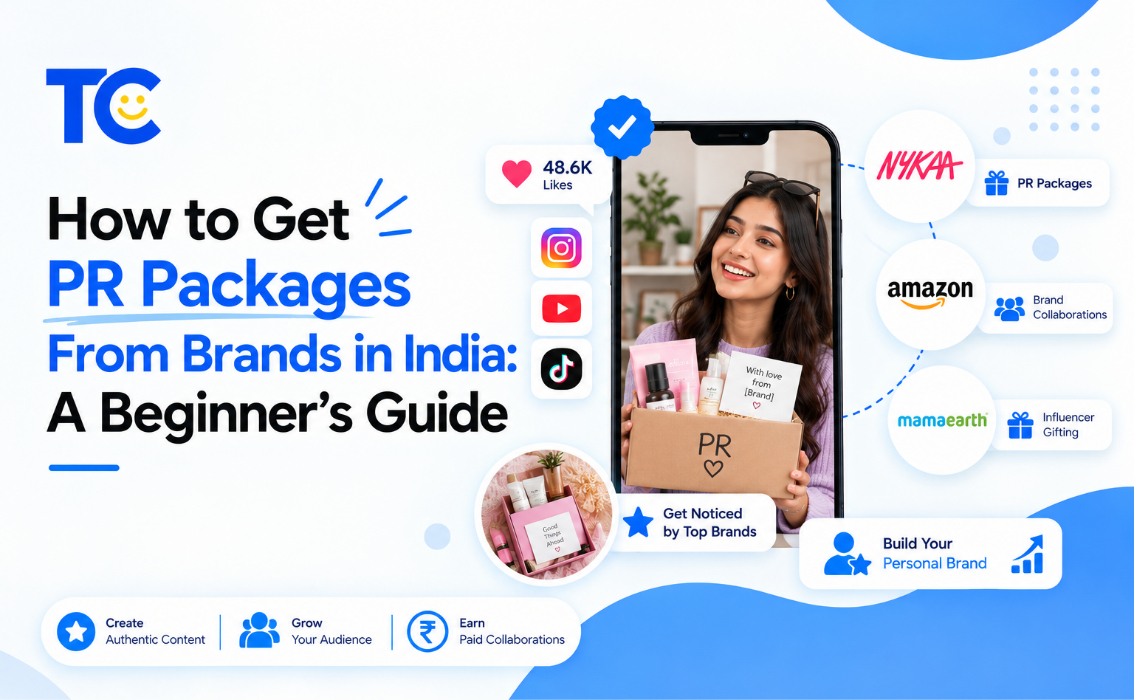
PR stands for public relations. A PR package is a collection of products or promotional materials that a brand sends to selected people, including influencers, content creators, journalists, and industry professionals.
For example, a beauty brand might send its latest skincare range to beauty creators before a product launch. A fashion company may send clothing or accessories to creators who regularly publish outfit inspiration. Similarly, a food brand might distribute sample boxes to creators who make cooking, lifestyle, or food-review content.
Brands typically use PR packages to introduce products, build awareness, encourage product discovery, and generate social media content.
These packages may contain full-sized products, samples, promotional merchandise, product information, or personalized packaging.
Are PR Packages Always Free?
Many PR packages are provided without a payment requirement, but the arrangement depends on the brand and campaign.
There are three common types of product collaborations:
Unpaid PR gifting: A brand sends products without paying the creator. The brand may hope the creator shares the products, but the creator's posting obligations depend on the agreed terms.
Gifted collaborations: A creator receives free products in exchange for specific deliverables, such as an Instagram Reel, a product review, or a set of stories.
Paid collaborations: A brand pays the creator to produce promotional content. Products may be included separately as part of the arrangement.
The important distinction is that receiving a free product does not automatically mean you've secured a paid partnership. Always clarify the expectations before accepting a collaboration.
1. Choose a Clear Content Niche
Before approaching brands, decide what type of content you want to create. Brands generally look for creators whose content and audience are relevant to their products.
If your profile covers too many unrelated topics, it may be difficult for a brand to understand why your audience would be interested in its products.
You don't need to limit yourself to a single subject forever. However, establishing a clear primary niche can help you create consistent content and attract relevant brand partnerships.
Some popular niches for PR opportunities in India include:
-
Beauty and skincare: Makeup tutorials, skincare routines, product demonstrations, and honest reviews.
-
Fashion and styling: Outfit ideas, affordable fashion, seasonal trends, and styling tips.
-
Lifestyle: Daily routines, home organisation, personal care, and product recommendations.
-
Food: Recipe videos, snack reviews, restaurant discoveries, and cooking content.
-
Fitness and wellness: Workout routines, sports accessories, fitness clothing, and healthy lifestyle content.
-
Technology: Smartphone accessories, gadgets, apps, and practical product demonstrations.
-
Parenting: Baby products, children's clothing, parenting essentials, and family-friendly products.
-
Home and decor: Room makeovers, affordable home products, organisation ideas, and decor inspiration.
Choose a niche based on your interests, knowledge, and ability to create content consistently.
For instance, if you regularly share affordable skincare routines, a skincare brand can quickly understand how its products might fit naturally into your content.
2. Build Your Instagram Profile Before Contacting Brands
Instagram is a useful starting point for creators who want to explore PR opportunities in India. Many brands use the platform to discover creators, review their content, and communicate about collaborations.
Before sending your first pitch, make sure your profile presents you as someone who can create useful content for a potential brand partner.
Use a Clear Profile Picture and Bio
Choose a profile picture that is easy to recognise. Your bio should explain what you create and the type of audience or topics you cover.
For example:
Beauty and Skincare Creator | India
Honest Reviews • Skincare Tips • Beauty Finds
For Collaborations: yourname@email.com
This format immediately tells visitors what your account is about and how to contact you.
Use a professional email address that you check regularly. If you prefer not to share your personal email publicly, create a separate email address for creator collaborations.
Create Content That Shows Your Potential
You don't need to wait for a brand to send products before creating product-related content.
If you already own skincare products, clothing, gadgets, or other items relevant to your niche, use them to demonstrate your content creation skills.
You could publish:
-
A short product demonstration.
-
A tutorial explaining how to use a product.
-
An honest review of something you already own.
-
A comparison of two products.
-
A problem-and-solution video.
-
A routine featuring products relevant to your niche.
These posts help brands evaluate your presentation, storytelling, editing, and ability to explain a product's benefits.
A useful tip: Create several strong examples of the type of content you want to make for brands. A focused portfolio of quality posts is more persuasive than a profile filled with unrelated content.
3. Do You Need a Large Following to Get PR Packages?
No. A large following is not a universal requirement for receiving PR packages.
Brands consider different factors when selecting creators. Some prioritise reach, while others focus on engagement, content quality, audience interests, or a particular geographic market.
Smaller creators may be suitable for campaigns that require niche expertise, authentic demonstrations, or content aimed at a specific audience.
For example, a creator with a modest following who regularly shares affordable skincare advice may be relevant to a skincare brand targeting budget-conscious consumers.
Likewise, a local food creator may be useful to a regional snack company even if the creator's audience is much smaller than that of a national influencer.
However, not every brand works with beginners. Some campaigns have minimum audience requirements, while others are managed through established influencer agencies.
Focus on the Metrics That Matter
Instead of worrying only about follower count, work on improving these areas:
Engagement: Pay attention to meaningful comments, shares, saves, and conversations around your content.
Content quality: Create clear videos and images with good lighting, understandable audio, and an engaging presentation.
Audience relevance: Make sure your content reaches people who are likely to care about the products you feature.
Consistency: Publish regularly enough to show that you are actively developing your creator profile.
Trust: Give honest opinions, avoid misleading claims, and disclose commercial relationships appropriately.
You can also use Instagram's professional account features, where available, to review insights such as reach, interactions, and audience information.
When approaching a brand, share accurate metrics from your account rather than relying on inflated follower numbers or unsupported claims.
4. Find Brands That Send PR Packages in India
One of the biggest challenges for beginners is finding brands that are open to working with smaller creators.
Instead of messaging hundreds of companies at random, start by identifying brands whose products match your niche, content style, and audience.
Start With Brands You Already Use
Think about the products you genuinely enjoy using. These could include skincare products, cosmetics, clothing, packaged food, accessories, or home essentials.
Create a list of brands that fit your content.
For each brand, check its official website and social media profiles. Look for product launches, creator collaborations, influencer campaigns, and instructions for partnership enquiries.
Some brands maintain dedicated influencer marketing or public relations teams. Others handle collaborations through their social media managers or external agencies.
A brand that has previously worked with smaller creators may be worth approaching, although past collaborations do not guarantee that it will accept new creators.
Explore Indian Beauty and Fashion Brands
If you create beauty or fashion content, you could research brands such as:
-
Mamaearth: Personal care, skincare, and haircare products.
-
Plum: Skincare, cosmetics, and personal care.
-
Pilgrim: Skincare, haircare, and beauty products.
-
Sugar Cosmetics: Makeup and beauty products.
-
Foxtale: Skincare products and routines.
-
The Souled Store: Apparel, accessories, and pop-culture-inspired fashion.
These are examples of brands you can research, not a list of companies confirmed to be accepting PR requests or sending free products to beginners.
Visit each brand's official website or verified social media account to find current contact information and any published creator collaboration requirements.
Look Beyond Large Brands
Major brands often receive a high volume of creator enquiries. Smaller and emerging businesses may offer another route for beginners to develop their portfolios.
Consider exploring:
-
Independent skincare and beauty businesses.
-
Regional clothing labels.
-
Local jewellery and accessories brands.
-
Emerging food and beverage companies.
-
Small home decor businesses.
-
New businesses selling products relevant to your niche.
Smaller businesses may be more approachable, but their budgets and collaboration policies vary.
You can also approach relevant local businesses if you create content about products available in your city. A well-presented proposal that explains how you can showcase their products may be more effective than a generic message sent to a large national brand.
5. Contact Brands Through the Right Channels
Once you have identified suitable brands, find the appropriate way to contact them.
The most suitable channel depends on how the company manages its marketing activities.
Instagram Direct Messages
Instagram DMs can work for initial enquiries, especially when a brand actively interacts with creators on the platform.
Keep your message short, polite, and specific. Introduce yourself, explain your content niche, and ask whether the brand is currently considering creators for PR or gifting opportunities.
Avoid sending long paragraphs about how much you want free products. Instead, explain why your content could be relevant to the brand.
Email the Marketing or PR Team
Email is often a good option because you can provide more detail about your content, audience, and previous work.
Check the brand's official website for a marketing, influencer relations, partnerships, or public relations contact. If no dedicated address is listed, use the company's official contact channel and ask for the appropriate team.
Your email should include a short introduction, your niche, a link to your social media profile, and a few examples of relevant content.
If you have audience insights or previous collaboration results, include the most relevant figures.
Use Creator or Influencer Campaign Platforms
Some companies work with creator marketing platforms or influencer agencies to discover creators and manage campaigns.
Depending on their current availability and eligibility requirements, you may find opportunities through services such as:
-
One Impression
-
Qoruz
-
Grynow
You can explore these companies' official websites to understand their services and determine whether they offer opportunities suitable for your profile.
Keep in mind that not every platform provides open registration for all creators, and not every campaign offers free products. Some opportunities may require specific audience demographics, content formats, or experience.
6. Write a Professional PR Pitch That Gets Noticed
Your first message to a brand should communicate three things: who you are, what type of content you create, and why you are contacting that particular company.
Avoid sending a generic message to every brand on your list. A personalised pitch demonstrates that you have researched the business and understand its products.
Here is an example you can adapt for your own outreach.
PR Collaboration Email Template for Beginners
Subject: Creator Collaboration Enquiry – [Your Name]
Hello [Brand Name] Team,
I'm [Your Name], a content creator based in [City, India], focusing on [your niche]. I create content around [briefly describe your content topics] for an audience interested in [your audience's interests].
I appreciate your brand's work in [mention a relevant product category, product, or campaign]. I would love to explore the possibility of featuring your products through relevant content on my Instagram profile.
You can view my content here: [Instagram Profile Link]
If you are currently considering creators for PR gifting or upcoming campaigns, I'd be happy to share more details about my content and audience.
Thank you for your time. I look forward to hearing from you.
Best regards,
[Your Name]
[Email Address]
How to Make Your Pitch More Effective
Personalise the message for each brand.
Mention a specific product or campaign that genuinely interests you. Explain what type of content you could create, such as a tutorial, styling video, demonstration, or honest product review.
If you have relevant performance data, include a few useful metrics. For example, you might mention your average Reel views or the number of people reached by recent posts, provided the figures are accurate and representative.
Don't exaggerate your influence or promise results you cannot control.
Also, remember that a PR pitch is an introduction, not a demand. The brand may not reply, may not have a suitable campaign, or may decide that your profile is not a fit at that time.
7. Create a Media Kit, Even as a Beginner
A media kit is a short document that introduces you as a creator and summarises what you offer to potential brand partners.
It is especially useful when contacting marketing teams by email or applying for creator campaigns.
You do not need an elaborate presentation. A clean, well-organised one-page document is often enough to communicate the essentials.
Your media kit can include:
About you: Your name, location, content niche, and a brief introduction.
Social media profiles: Links to your active platforms.
Audience insights: Relevant information about audience location, age groups, and interests, where available.
Performance metrics: Recent reach, average video views, engagement, or other meaningful metrics.
Content examples: Links or screenshots showing your best relevant work.
Collaboration options: Content formats you can produce, such as short videos, product demonstrations, photography, or tutorials.
Contact information: A professional email address for enquiries.
If you're just starting, you may not have previous brand collaborations or impressive audience numbers. That is fine.
Show your strongest content examples and explain the type of work you can create. Never invent brand partnerships, testimonials, or performance results to make your media kit look more impressive.
8. Build a Portfolio With Products You Already Own
Waiting for free products can slow down your progress as a creator.
A more practical approach is to start producing content with items you already have. This gives brands an opportunity to evaluate your work without requiring them to send products first.
For example, a beginner beauty creator can make a skincare routine using products already in their collection. A fashion creator can demonstrate different ways to style one outfit. A technology creator can record a useful tutorial featuring a gadget they own.
You can also create sample user-generated content, commonly known as UGC, to demonstrate your product photography, video editing, and storytelling skills.
UGC focuses on producing content for brands, rather than necessarily promoting products to your own audience. Some brands commission creators to produce UGC for their marketing channels, and these arrangements may be paid.
Clearly distinguish sample work from actual brand partnerships. You can label portfolio examples as independent product content or concept projects.
This approach helps you demonstrate your skills even before receiving your first PR package.
9. Understand What Brands Expect From Creators
Receiving a PR package can feel exciting, but it is important to understand the terms of the arrangement.
Different brands have different expectations. Some may send products without requiring content, while others may request a specific deliverable.
Before accepting a package, clarify the following:
-
Is the product gifted without any posting obligation?
-
Is the brand expecting an Instagram Reel, story, photograph, or review?
-
Is there a content deadline?
-
Does the brand require approval before publication?
-
Can the brand reuse your content in advertisements?
-
Are there any exclusivity requirements?
-
Will the brand pay a separate fee for content creation or usage rights?
These details matter because producing professional content takes time and effort.
For example, a brand might offer free skincare products in exchange for a Reel and three stories. Another might simply send products for you to try, with no requirement to post.
Neither arrangement should be assumed without clarification.
If the brand expects substantial content production, paid advertising rights, or exclusivity, discuss the scope before agreeing. Receiving free products does not automatically entitle a brand to unlimited use of your content.
10. Follow Up Professionally Without Spamming Brands
Not every brand will respond to your first email or DM.
Marketing teams may be handling multiple campaigns, working with existing creators, or planning their outreach around upcoming launches.
If you have sent a relevant pitch and received no response, consider sending one polite follow-up after approximately seven to ten business days.
For example:
Subject: Follow-Up on Creator Collaboration Enquiry
Hello [Brand Name] Team,
I hope you're doing well. I'm following up on my previous message regarding potential creator collaborations.
I'd be happy to share additional information about my content and audience if you're currently exploring PR gifting or creator campaigns.
Thank you for your time and consideration.
Best regards,
[Your Name]
If you still don't receive a response, move on to other opportunities rather than repeatedly contacting the same team.
You can also keep a simple record of your outreach, including the brand name, contact date, response, and follow-up date. This helps you manage your efforts and avoid sending duplicate messages.
11. Common Mistakes Beginners Should Avoid
Many new creators focus on getting products before building the foundations that make them attractive to brands.
Avoid these common mistakes if you want to approach PR opportunities more strategically.
Buying Fake Followers
Fake followers can make your account appear larger without building a genuine audience.
Brands may review engagement patterns, audience quality, and content performance when evaluating creators. Artificially inflating your numbers can damage your credibility.
Focus on building a real community around your content instead.
Sending Generic Messages to Every Brand
Messages such as "Please send me PR" do not explain why a company should consider working with you.
Personalise your pitch, show that you understand the brand, and explain how your content relates to its products.
Expecting Free Products Immediately
PR gifting is not an entitlement or a guaranteed reward for posting on social media.
Brands have budgets, campaign schedules, and selection criteria. Some may only work with established creators, while others may be open to beginners.
Keep improving your content and continue exploring relevant opportunities without relying on free products as your only motivation.
Creating Content Only for Freebies
If your account exists solely to request free products, it may be difficult to build an engaged audience.
Focus on providing useful information, entertainment, inspiration, or honest recommendations. A strong creator profile gives brands a clearer reason to consider working with you.
Ignoring Collaboration Terms
Never assume that a gifted product means you must publish positive feedback or that the brand can use your content in paid advertising indefinitely.
Clarify the arrangement before accepting it. Maintain your editorial integrity and make sure you understand any content, disclosure, and usage requirements.
12. How to Avoid PR Package Scams in India
As creator marketing becomes more visible, beginners may encounter suspicious messages claiming to offer free products or exclusive PR opportunities.
Be particularly careful if an account promises a guaranteed PR package but asks you to pay unexpected fees.
Warning signs include:
-
Requests for registration fees to receive supposedly free products.
-
Messages from accounts impersonating well-known brands.
-
Suspicious links asking for your login credentials.
-
Requests for OTPs, passwords, or unnecessary financial information.
-
Pressure to pay immediately to secure a collaboration.
-
Unclear terms or refusal to provide verifiable company details.
Not every legitimate product shipment is necessarily free of delivery charges, and some genuine campaigns may involve disclosed expenses. However, an unexpected payment demand should be verified directly with the brand through its official website or established contact channels before you proceed.
Never share your Instagram password or OTP with someone claiming to arrange a PR package.
If a brand contacts you from an unfamiliar account, check its identity carefully. Look for official links, consistent contact information, and confirmation from the company's established channels.
When in doubt, do not pay or share sensitive information until you have independently verified the offer.
13. Follow Indian Advertising Disclosure Guidelines
Receiving products from a brand can create a commercial relationship, even when no money changes hands.
In India, the Advertising Standards Council of India (ASCI) publishes influencer advertising guidelines that address disclosure of material connections between advertisers and influencers.
Depending on the arrangement, relevant disclosures may include terms such as "Ad," "Sponsored," or "Gifted." The appropriate disclosure depends on the nature of the relationship and the applicable guidelines.
If a brand provides products in exchange for content, or if another material connection exists, check the current ASCI guidance to determine how the relationship should be disclosed.
You can consult the official ASCI website for its latest influencer advertising guidelines.
The goal is to help your audience understand when a post involves a commercial relationship. Be transparent about gifted products and paid promotions, and do not present advertising as completely independent content when a disclosure is required.
Always give honest opinions about products. If you have concerns about a product's performance or suitability, do not make unsupported claims just to maintain a brand relationship.
14. A Practical 30-Day Plan to Start Getting PR Packages
If you're a beginner and don't know where to start, use the following 30-day plan to build your profile and begin approaching suitable brands.
The aim is to establish a strong foundation and create opportunities. Receiving a PR package within 30 days is not guaranteed.
Week 1: Set Up Your Creator Profile
Choose your primary content niche and update your Instagram bio.
Make sure your profile picture, contact information, and recent posts communicate what you create.
Review other creators in your niche to understand the types of content that attract meaningful engagement. Use their work for research and inspiration, not copying.
Week 2: Publish Relevant Content
Create and publish several useful posts related to your niche.
Experiment with product demonstrations, tutorials, reviews, styling ideas, or other formats that suit your audience.
Review your performance to identify which topics generate the strongest response. Use those insights to improve your upcoming content.
Week 3: Research Brands and Prepare Your Pitch
Build a list of relevant Indian brands.
Start with companies whose products fit your content and whose official channels provide a suitable way to contact them.
Prepare a basic media kit and personalise your outreach messages. Include links to your best content and accurate performance metrics where available.
Week 4: Start Outreach and Review Results
Contact a manageable number of suitable brands with individual, relevant pitches.
Track your messages and send polite follow-ups where appropriate.
Continue publishing content while you wait for responses. If a brand declines or doesn't reply, review your approach and explore other opportunities.
At the end of the month, assess your progress. You may have improved your content quality, created a portfolio, connected with marketing teams, or received your first collaboration enquiry.
Even if you haven't received a PR package yet, these are useful steps towards building a sustainable creator profile.
Frequently Asked Questions
How Many Followers Do You Need to Get PR Packages in India?
There is no universal follower requirement for receiving PR packages. Some brands work with smaller creators, while others prefer established influencers with larger audiences. Content quality, audience relevance, engagement, and campaign requirements can all influence selection.
Can Beginners With No Followers Get PR Packages?
It is possible, but it may be challenging. Start by creating quality content, building a portfolio, and approaching relevant smaller brands. You can also demonstrate your skills through sample UGC content using products you already own. Avoid assuming that every brand will accept new creators.
How Can I Get Free PR Packages From Beauty Brands in India?
Build a beauty-focused profile featuring skincare routines, makeup tutorials, product demonstrations, and honest reviews. Research beauty brands, check their official social media profiles and websites for collaboration opportunities, and send personalised pitches. Product gifting depends on each brand's selection process.
Do Brands Send PR Packages Without Asking for a Post?
Some brands send products without requiring creators to publish content. Others expect specific deliverables as part of a gifted collaboration. Always clarify the terms before accepting the package so you understand your obligations.
Can I Get PR Packages Through Instagram?
Yes, Instagram can be a useful channel for discovering brand campaigns and contacting marketing teams. Keep your profile relevant, publish quality content, and use official brand contact channels when available. However, receiving a response or package is never guaranteed.
Are PR Packages and Paid Collaborations the Same?
No. A PR package usually refers to products sent for promotional or public relations purposes. A paid collaboration involves compensation for agreed promotional work. A campaign can include both gifted products and payment, depending on the terms.
Do I Have to Pay for a PR Package?
Legitimate arrangements vary, but creators should be cautious about unexpected fees or payment requests. Verify shipping charges and other expenses directly with the brand through official channels before paying. Never share passwords or OTPs to claim a package.
How Long Does It Take to Receive Your First PR Package?
There is no fixed timeline. Some creators may receive an opportunity relatively early, while others need months of consistent content creation and outreach. Your results will depend on your niche, content, audience, brand selection, and campaign availability.
Final Thoughts
Getting PR packages from brands in India is not just about having a large Instagram following. It is about building a creator profile that gives brands a clear reason to consider working with you.
Start with a niche you understand, publish content that demonstrates your skills, and research companies whose products genuinely fit your audience. Approach them professionally, share relevant examples of your work, and make sure you understand the terms of every collaboration.
You don't need to wait for a brand to send you products before becoming a creator. Start with what you already have, develop your content style, and build a portfolio that reflects your potential.
Most importantly, stay patient and focus on creating content that people find useful or enjoyable. PR packages can be a valuable part of your creator journey, but building trust with your audience is what makes that journey sustainable in the long run.